Post-Workout Recovery Tips That Actually Work
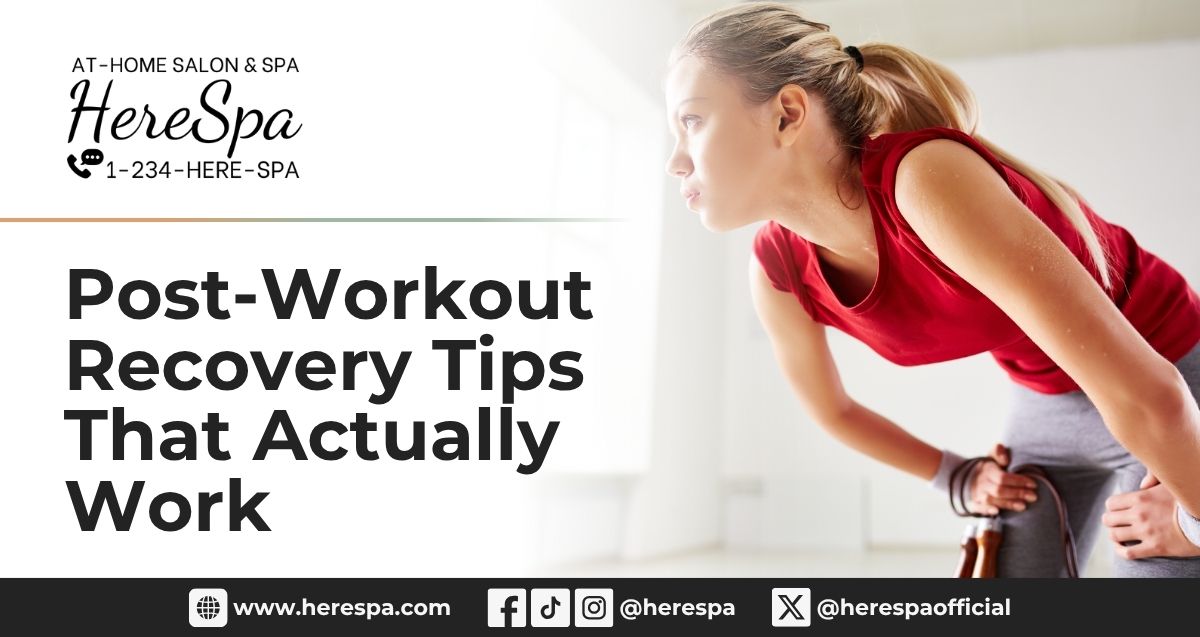
You finished the workout. You pushed through the last rep. You closed your rings, hit your mileage, or finally increased the weight on the bar.
Now comes the part people often overlook.
Recovery.
What you do after exercise can affect how your body feels when it is time to train again. Muscle soreness, fatigue, and stiffness are common after challenging workouts, but the right post-workout recovery routine can help you manage discomfort and give your body the support it needs.
The good news is that muscle recovery does not need to involve a complicated routine or a cabinet full of expensive products.
Here are post-workout muscle recovery tips that actually work.
1. Give Your Body Time to Recover
More exercise is not always the answer.
Training places stress on your muscles. Recovery gives your body time to adapt to that stress before the next challenging workout.
Rest days can be especially important after intense strength training, long runs, or activities that heavily target the same muscle groups.
Pay attention to how your body feels. Persistent soreness, unusual fatigue, or declining performance may be signs that you need more recovery time.
A rest day is still part of your training routine.
2. Prioritize Sleep
Your recovery routine starts long before your next workout.
Sleep gives the body an opportunity to rest and support important recovery processes. When sleep is consistently disrupted, you may notice lower energy, reduced motivation, and workouts that simply feel harder.
One of the most essential post-workout recovery tips is to try maintaining a consistent sleep schedule and creating a calming evening routine after demanding training days.
Recovery happens when you give your body enough time to slow down.
3. Hydrate After Your Workout
Sweating means losing fluids.
Replacing those fluids is a simple but important part of post-exercise recovery, especially after long or intense exercise sessions.
Drink water throughout the day instead of waiting until you feel extremely thirsty. If your workout involves significant sweating or extended activity, your individual hydration needs may be higher.
Your body needs consistent support before, during, and after movement.
4. Eat to Support Recovery
Your post-workout meal is not the time to forget about nutrition.
Protein supports muscle repair, while carbohydrates help replenish energy used during exercise. A balanced meal or snack can give your body the nutrients it needs after physical activity.
You do not need a complicated recovery meal.
Focus on consistent, balanced nutrition that supports your activity level and fitness goals.
5. Use Gentle Movement on Recovery Days
A recovery day does not always mean staying completely still.
Gentle walking, mobility work, or light movement can help you stay active without placing the same demands on tired muscles.
The key word is gentle.
Recovery sessions should leave you feeling refreshed, not like you accidentally completed another workout.
Listen to your body and adjust your activity accordingly.
6. Consider Massage for Post-Workout Soreness
Massage is widely used by athletes and active people as part of their recovery routines.
A systematic review and meta-analysis published in Frontiers in Physiology found that massage was one of the most effective recovery techniques studied for reducing delayed onset muscle soreness and perceived fatigue . The researchers compared multiple post-exercise recovery methods, including active recovery, stretching, compression garments, water immersion, and massage.
This does not mean massage instantly rebuilds tired muscles or guarantees better athletic performance. Research suggests its clearest benefits are related to managing soreness, perceived fatigue, and flexibility.
For people dealing with post-workout tightness, a Sports Massage may be a useful addition to a broader recovery routine.
HereSpa's Sports Massage focuses on sport-specific muscle groups and is designed for warming up, supporting recovery, and helping active bodies feel ready for movement.
7. Do Not Ignore Persistent Pain
Muscle soreness after exercise is common. Sharp, severe, or persistent pain is different.
If discomfort continues, gets worse, or affects your ability to move normally, do not simply push through another workout.
Recovery also means recognizing when your body may need professional medical evaluation.
Knowing when to slow down is part of training intelligently.
Build a Recovery Routine You Can Actually Maintain
The best post-workout recovery tips are often the simplest ones.
Sleep well. Hydrate. Eat consistently. Take rest days. Move gently. Pay attention to soreness and fatigue.
You do not need to do everything perfectly after every workout.
You need a recovery routine that supports your body consistently.
With HereSpa, professional massage services come directly to your home, making it easier to add recovery to your schedule without another drive or appointment across town.
Your Workout Ends. Recovery Begins.
Training challenges your body.
Recovery supports what comes next.
Whether you are lifting weights, running, playing a sport, or simply becoming more active, taking care of your body between workouts matters.
Give your muscles time. Listen when your body feels tired. And remember that rest is part of progress too.
Explore Sports Massage and at-home wellness services at www.HereSpa.com and make recovery part of your fitness routine.