Why Doing Nothing Is Actually Good for You
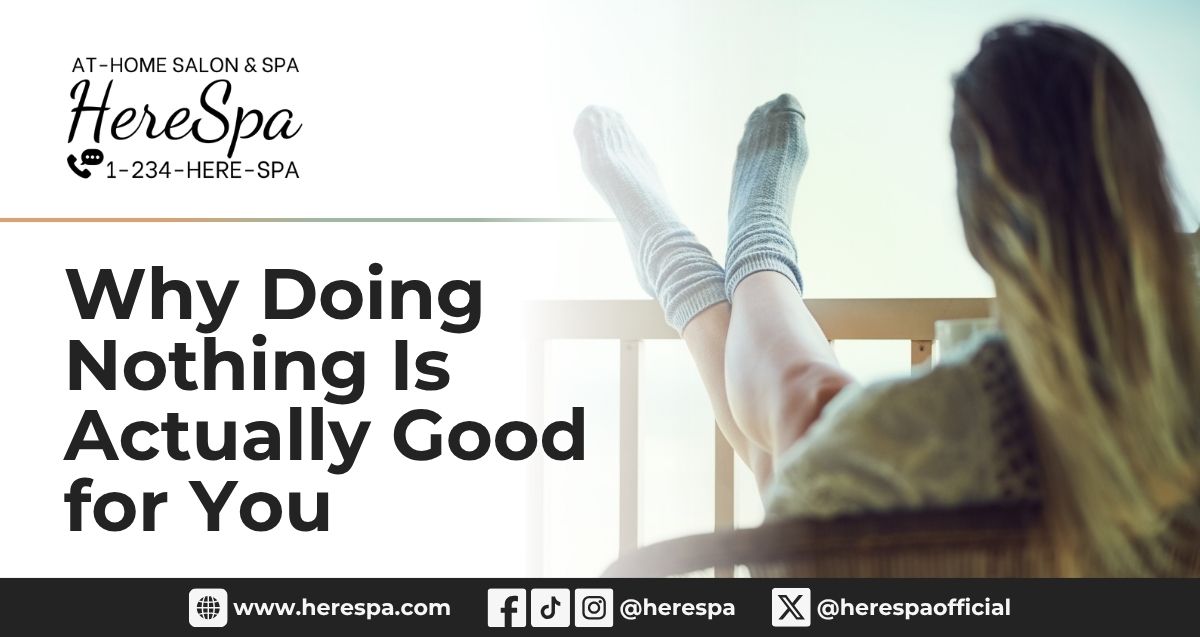
In a culture that celebrates productivity, doing nothing can feel uncomfortable.
Many of us are conditioned to believe that every moment should be productive. If we're not working, exercising, cleaning, learning, or accomplishing something, we may feel guilty for slowing down.
But what if doing nothing is exactly what your body needs?
Rest is not laziness. It is a biological necessity. And in today's fast-paced world, intentionally creating moments of stillness may be one of the healthiest things you can do.
The Pressure to Always Be Busy
Modern life rarely leaves room for boredom or quiet.
Notifications, emails, social media, meetings, errands, and responsibilities constantly compete for our attention. Even downtime is often filled with screens and stimulation.
The result is that many people spend their days moving from one task to another without ever truly recovering.
When the nervous system stays activated for too long, stress can begin to accumulate physically and emotionally.
What Happens When You Rest?
Rest allows the body to shift out of "fight or flight" mode and into a more relaxed state.
According to the Cleveland Clinic , activating the parasympathetic nervous system helps slow the heart rate, lower stress responses, and support recovery throughout the body.
In simple terms, your body performs many of its most important recovery functions when it feels safe enough to slow down.
Rest supports:
- Stress reduction
- Mental clarity
- Emotional regulation
- Better sleep
- Physical recovery
- Improved focus and energy
Doing nothing is not the absence of activity. It is the presence of recovery.
Rest Is Different From Scrolling
Many people think they are resting when they are actually consuming more stimulation.
Scrolling social media, responding to messages, or constantly switching between apps may feel relaxing in the moment, but it does not always give the nervous system the break it needs.
True rest often looks much simpler.
It might mean:
- Sitting quietly with a cup of coffee
- Taking a walk without your phone
- Listening to music
- Spending time outdoors
- Closing your eyes for a few minutes
- Enjoying a massage or wellness treatment
The goal is not entertainment. The goal is restoration.
Why Your Nervous System Needs Recovery
Stress is not always obvious.
Sometimes it shows up as irritability, poor sleep, muscle tension, fatigue, difficulty concentrating, or feeling emotionally drained.
These are often signs that the nervous system has been working overtime.
Recovery helps create balance.
When you regularly give your body opportunities to slow down, it becomes easier to manage daily stress and avoid burnout.
Making Rest Part of Your Routine
The healthiest routines are not built entirely around productivity.
They include recovery too.
That might mean protecting a quiet evening each week, creating screen-free time before bed, or scheduling intentional moments of self-care.
With HereSpa, wellness services come directly to your home, making it easier to prioritize relaxation without adding more to your schedule.
Sometimes the most productive thing you can do is allow yourself to rest.
Give Yourself Permission to Slow Down
Doing nothing is not wasting time.
It is giving your mind and body an opportunity to recover, recharge, and return stronger.
In a world that constantly asks you to do more, choosing rest can be a powerful act of self-care.
The next time you feel guilty for slowing down, remember this:
Your body was never designed to be productive every minute of the day.
Explore wellness experiences at www.HereSpa.com and make recovery part of your routine. 🌿