The Science Behind Relaxation: What Happens to Your Body During a Massage
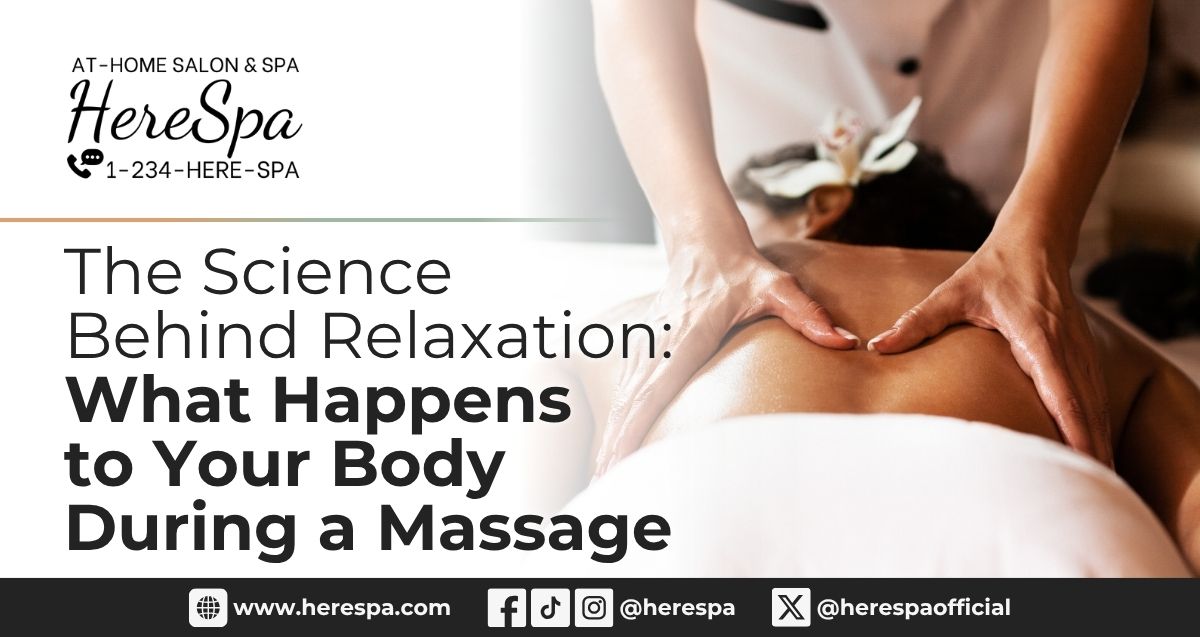
You know the feeling.
You get off the massage table and suddenly your shoulders feel lighter, your breathing slows down, and the stress you've been carrying all week seems to melt away.
It feels good, but have you ever wondered what happens during a massage?
Understanding what happens during a massage helps explain why the effects can feel both physical and mental.
Massage therapy isn't just a luxury. It triggers real physiological responses throughout your body that influence your muscles, nervous system, circulation, and even your mood.
Here's a closer look at the science behind relaxation and what happens inside your body during a massage.
Your Nervous System Shifts Into "Rest and Recover" Mode
Most of us spend a large part of the day in "fight or flight" mode.
Deadlines, traffic, endless notifications, and daily responsibilities keep the sympathetic nervous system active. This stress response is helpful during emergencies, but staying in that state for too long can leave you feeling mentally and physically drained.
Massage encourages the opposite response by activating the parasympathetic nervous system, often called the body's "rest and digest" mode. As this happens, your heart rate slows, breathing becomes deeper, and your muscles begin to relax.
According to the Cleveland Clinic, the parasympathetic nervous system helps conserve energy, support digestion, and promote recovery after periods of stress.
Your Muscles Begin to Let Go of Tension
Stress, exercise, poor posture, and repetitive movements can all leave muscles feeling tight.
Massage applies controlled pressure to soft tissues, helping reduce muscle tension and improve flexibility. As the muscles relax, many people notice improved range of motion and less stiffness.
This is one reason athletes often include Sports Massage in their recovery routines, while office workers may prefer Swedish Massage or Deep Tissue Massage to address everyday muscle tightness.
Cortisol and the Stress Response
One of the reasons massage feels so calming is because it can influence the body's stress response.
Research published by the National Center for Biotechnology Information (NCBI) suggests that massage therapy may help reduce cortisol, the hormone commonly associated with stress, while supporting relaxation and overall well-being.
Lower stress levels don't solve every problem, but they can help your body feel better equipped to recover from daily demands.
Your Mood Gets a Boost
Massage doesn't just affect your muscles.
Many people leave a massage feeling calmer, happier, or simply more at ease.
This may be partly due to changes in the body's natural "feel-good" chemicals, including serotonin and dopamine, which are involved in mood regulation and emotional well-being.
While everyone's experience is different, this is one reason many people include massage as part of an ongoing wellness routine instead of waiting until they're already overwhelmed.
Circulation Gets a Helping Hand
Massage also encourages healthy blood flow throughout the body.
Improved circulation helps deliver oxygen and nutrients to muscles and other tissues while supporting the body's normal recovery processes.
Although massage should not be viewed as a cure-all, many people report feeling less stiff and more refreshed after treatment.
Combined with hydration, movement, and quality sleep, massage can be a valuable part of a balanced recovery routine.
Massage Benefits Your Mind Too
Physical relaxation often creates mental relaxation.
For many people, a massage is one of the few moments in the week without emails, meetings, chores, or constant notifications.
This uninterrupted time allows your mind to slow down while your body does the same.
Sometimes, the greatest benefit isn't just what happens to your muscles. It's finally giving yourself permission to pause.
Massage Benefits Can Last Beyond Your Appointment
The benefits of massage don't necessarily end when the session does.
Many people continue to notice reduced muscle tension, improved relaxation, and an overall sense of well-being afterward, especially when massage is combined with healthy habits like regular movement, hydration, and quality sleep.
Making massage part of your wellness routine can help you care for your body before stress and tension become overwhelming.
Relaxation Is More Than a Feeling
When you feel calmer after a massage, it's not just your imagination.
Your nervous system shifts gears. Your muscles release tension. Your body responds to touch in ways that support recovery and relaxation.
It's a reminder that taking care of yourself isn't just about feeling good in the moment. It's about giving your body the opportunity to reset.
Whether you're looking to ease muscle tension, unwind after a busy week, or simply make wellness more convenient, HereSpa brings professional massage services directly to your home.
Explore Swedish Massage, Deep Tissue Massage, Sports Massage, and more at www.HereSpa.com and discover what relaxation can do for your body.