The Difference Between Being Tired and Burned Out
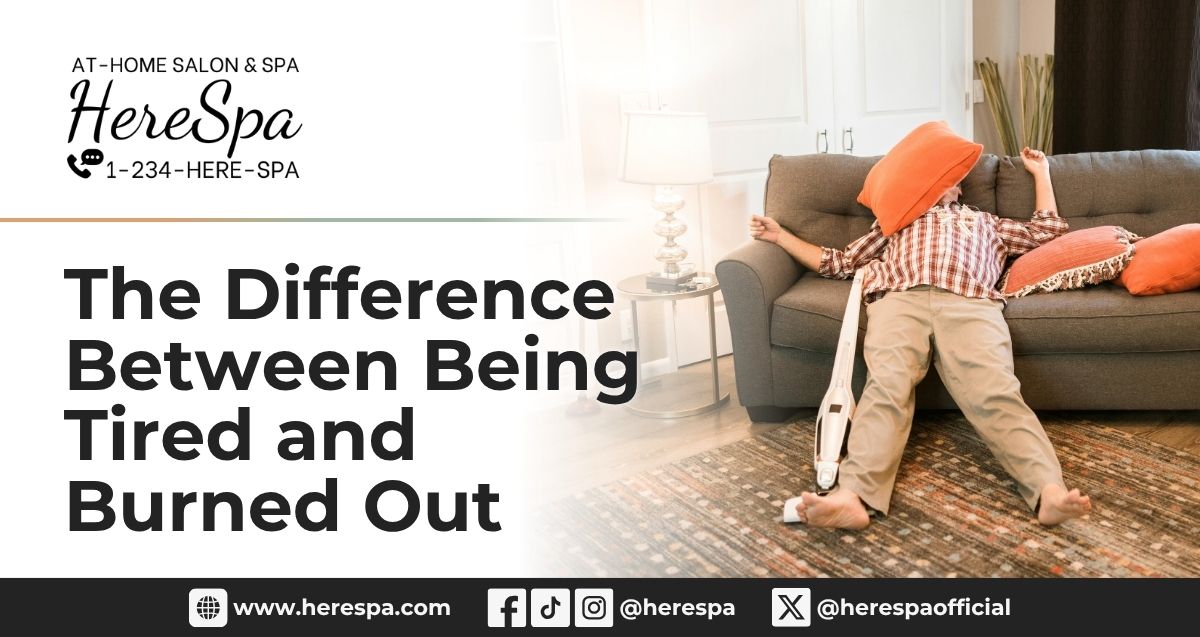
Tired vs Burned Out: How to Tell the Difference
We've all said it before.
"I'm just tired."
Sometimes that's true. A good night's sleep, a relaxing weekend, or a quiet evening is all it takes to feel like yourself again.
But sometimes, what you're feeling goes deeper than fatigue. Understanding tired vs burned out can help you notice when your body needs more than a quick pause.
Burnout can look a lot like being tired at first, but it affects your body, mind, and emotions in ways that rest alone may not immediately fix. Learning the difference can help you recognize when your body needs more than just another cup of coffee.
What Does It Mean to Be Tired?
Being tired is usually the result of physical or mental exertion.
Maybe you had a long workday, stayed up too late, traveled, or had a particularly busy week. Fatigue is your body's natural response to activity.
The good news is that tiredness is temporary.
After enough sleep, nourishment, hydration, and downtime, most people begin to feel refreshed again.
Tiredness says: "I need rest."
What Is Burnout?
Burnout develops after prolonged periods of chronic stress without enough recovery.
According to the World Health Organization , burnout is an occupational phenomenon resulting from chronic workplace stress that has not been successfully managed. It is characterized by feelings of energy depletion, increased mental distance from work, and reduced professional effectiveness.
Burnout is not simply feeling exhausted after a long day.
It is feeling emotionally, mentally, and physically depleted over an extended period of time. This can include mental fatigue, emotional heaviness, and physical tension that do not fade quickly after rest.
Signs You're Probably Just Tired
If you're tired, you may notice:
- You feel better after sleeping.
- You still enjoy your hobbies and free time.
- Your motivation returns after a day off.
- Your stress feels temporary.
- You have energy again after recovering.
Fatigue comes and goes.
Recovery usually works.
Signs of Burnout and Burnout Symptoms to Watch For
Burnout often looks different. The signs of burnout can build slowly, which is why many people ignore them until they feel difficult to manage.
Common burnout symptoms may include:
- Constant exhaustion, even after sleeping.
- Difficulty concentrating.
- Feeling emotionally detached.
- Irritability over small things.
- Loss of motivation.
- Frequent headaches or muscle tension.
- Feeling overwhelmed by everyday tasks.
When recovery no longer feels effective, these signs of burnout may be telling you it is time to pay closer attention.
Your Body Often Tries to Warn You
Burnout rarely appears overnight.
Your body often sends smaller signals first, especially when mental fatigue and physical stress begin to overlap.
- Persistent muscle tension.
- Poor sleep.
- Frequent headaches.
- Difficulty relaxing.
- Feeling emotionally numb.
These signs are not weaknesses.
They are reminders that your body needs consistent recovery, not just occasional rest.
Stress Recovery Is More Than Sleep
Sleep is important, but burnout recovery often requires more than simply going to bed earlier. A thoughtful stress recovery routine can help your body and mind return to a calmer rhythm.
Your nervous system also benefits from activities that help shift the body into a calmer state.
This might include:
- Setting healthier work boundaries.
- Taking regular breaks.
- Spending time outdoors.
- Practicing mindfulness.
- Scheduling wellness treatments like massage.
Massage therapy helps reduce physical tension while encouraging the body to relax, making it an excellent addition to a sustainable stress recovery routine.
With HereSpa, professional wellness services come directly to your home, making it easier to prioritize recovery even during your busiest weeks.
How HereSpa Wellness Supports Recovery
HereSpa wellness services are designed to make self-care more accessible by bringing professional massage and wellness treatments directly to you.
When you are comparing tired vs burned out, the right recovery support can make a meaningful difference. HereSpa wellness experiences can help you slow down, release tension, and create space for consistent care.
Listen Before Your Body Forces You To
One of the biggest differences between tiredness and burnout is that burnout usually asks for your attention repeatedly before it demands it.
The earlier you recognize the signs of burnout, the easier it becomes to make small changes that support your well-being.
Recovery does not happen because you've earned it.
Recovery happens because your body needs it.
Choose Recovery Before Burnout Chooses You
Everyone gets tired.
Not everyone realizes when that tiredness has become something more.
Learning to recognize the difference allows you to respond with compassion instead of simply pushing through. Paying attention to early burnout symptoms can help you protect your energy before stress becomes harder to manage.
Your energy is one of your most valuable resources.
Protect it.
Explore wellness experiences at www.HereSpa.com and make recovery part of your everyday routine. 🌿