How Stress Shows Up in the Body
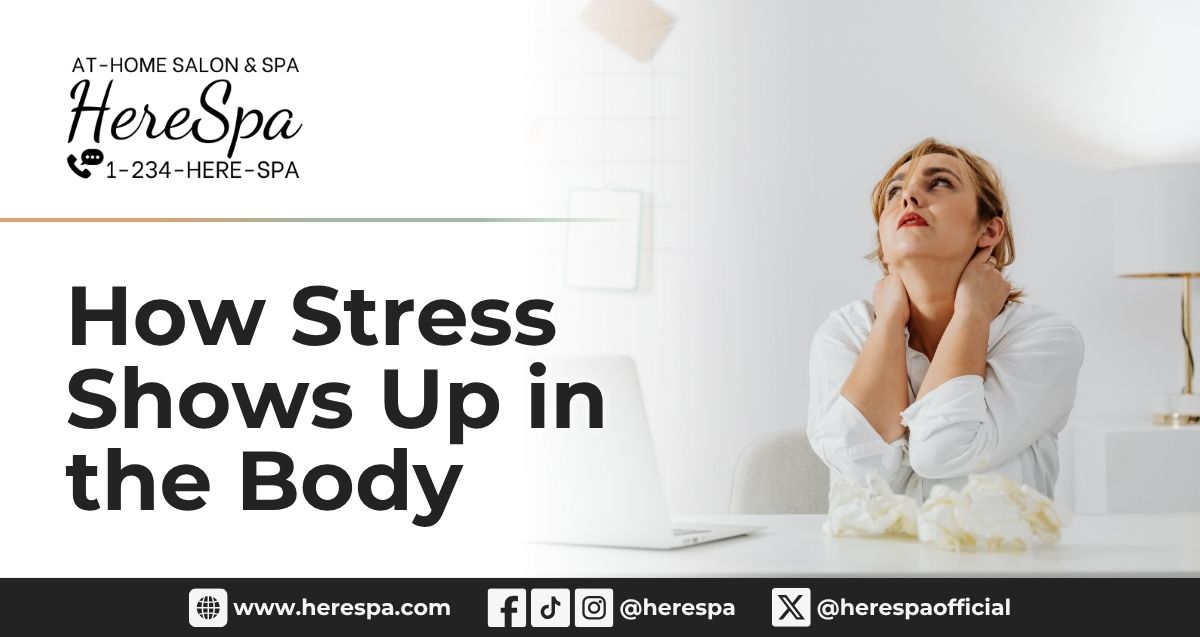
Stress is often thought of as something mental or emotional. Racing thoughts, overwhelm, irritability, or burnout. But stress does not stay in the mind alone. Over time, it begins to show up physically in the body too.
Tight shoulders, headaches, poor sleep, fatigue, jaw tension, and even digestive discomfort can all be connected to chronic stress.
The body keeps score of what the mind is carrying.
Understanding the physical signs of stress can help you recognize when your body is asking for rest, recovery, and support before tension builds into something more serious.
1. Tight Shoulders and Neck Pain
One of the most common physical signs of stress is muscle tension in the shoulders and neck.
When the nervous system stays in a heightened state, muscles unconsciously tighten as part of the body’s stress response. Over time, this tension can lead to stiffness, soreness, and limited mobility.
Many people carry stress in these areas without realizing how much tension has accumulated until the discomfort becomes constant.
Massage therapy can help release this tension by improving circulation and relaxing overworked muscle groups.
2. Headaches and Jaw Tension
Stress often causes people to clench their jaw or tense the muscles around the face and scalp. This can contribute to tension headaches, facial discomfort, and even teeth grinding during sleep.
According to the American Psychological Association , chronic stress can contribute to physical symptoms including headaches, muscle tension, and fatigue.
When the body remains tense for long periods, even small muscles begin carrying stress physically.
3. Poor Sleep and Constant Fatigue
Stress can make it difficult for the nervous system to fully relax at night. Even when the body feels tired, the mind may remain alert.
This can lead to difficulty falling asleep, restless sleep, or waking up feeling exhausted despite getting enough hours in bed.
Over time, poor sleep and chronic stress create a cycle where the body struggles to recover properly.
Relaxation-focused wellness practices, including massage, can help calm the nervous system and support deeper rest.
4. Digestive Discomfort
The gut and nervous system are closely connected. Stress can affect digestion by increasing inflammation, slowing digestion, or creating discomfort like bloating and stomach tension.
This is one reason people often feel stress physically in their stomach before they fully process it mentally.
When the body feels constantly overwhelmed, digestion is often one of the first systems affected.
5. Low Energy and Burnout
Chronic stress demands energy from the body. When stress becomes ongoing, many people begin feeling physically drained even after rest.
Fatigue caused by stress often feels different from normal tiredness. It can show up as low motivation, emotional exhaustion, body heaviness, or feeling mentally disconnected.
This is the body signaling that recovery is needed.
6. Increased Muscle Soreness and Body Aches
Stress does not only affect mood. It can also increase physical sensitivity and inflammation throughout the body.
Many people notice more soreness in the back, legs, and shoulders during stressful periods, especially if they are also sitting for long hours or sleeping poorly.
Regular recovery practices can help interrupt this buildup before it becomes chronic discomfort.
Why Recovery Matters
The body is not designed to stay in stress mode constantly. Recovery is what allows the nervous system to reset and muscles to release tension.
Massage therapy supports this process by helping the body shift into a calmer state, improving circulation, and reducing physical tightness caused by stress.
With HereSpa, recovery can happen in the comfort of your own space, making it easier to prioritize wellness even during busy seasons of life.
Listen to What Your Body Is Telling You
Stress does not always announce itself emotionally first. Sometimes it appears physically through tension, fatigue, headaches, or disrupted sleep.
Learning to recognize these signs early allows you to respond with care instead of waiting until burnout takes over.
Your body is always communicating. Rest, recovery, and support are part of listening well.
Explore wellness and recovery services at www.HereSpa.com and give your body the care it has been asking for.