5 Signs You're Carrying Too Much Stress
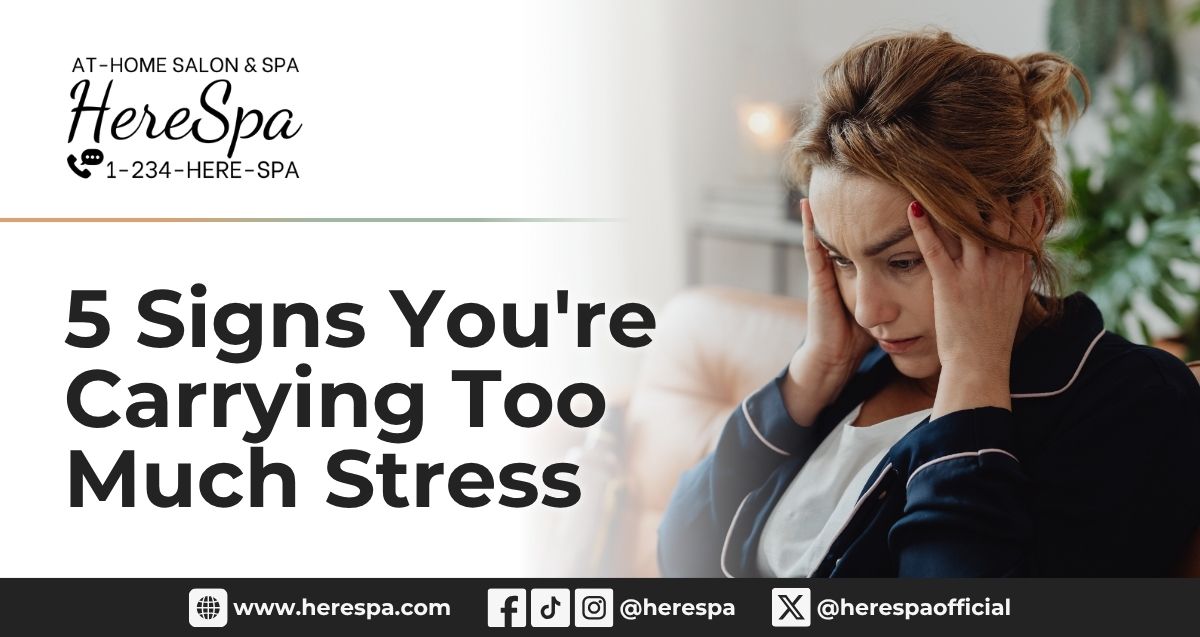
Stress has a way of sneaking up on you.
It doesn't always arrive with a major life event or an overwhelming workload. Sometimes it builds gradually, becoming part of your daily routine until you barely notice it's there.
Your body, however, notices.
Long before you feel completely burned out, your body often sends subtle signals that it's under too much pressure. These stress symptoms may appear physically, mentally, or emotionally. Recognizing the signs of stress early can help you take action before stress begins affecting your overall well-being.
Here are five common signs of stress that may indicate you're carrying more pressure than you realize. Learning to identify these stress symptoms can make it easier to respond with care and healthy coping strategies.
1. Frequent Stress Headaches
If you've been dealing with recurring headaches, stress may be playing a role.
When you're under pressure, the muscles in your neck, shoulders, and scalp can tighten, leading to tension headaches. These headaches often feel like a dull, steady ache or a tight band around your head.
While headaches can have many different causes, persistent stress is a common trigger. Stress headaches that become a regular part of your week may be a sign that it's time to evaluate not only your schedule, but also how you're managing stress.
2. Jaw Tension or Teeth Clenching
Do you catch yourself clenching your jaw during the day?
Or wake up with a sore jaw in the morning?
Stress can cause people to unconsciously tighten the muscles around the jaw or grind their teeth while sleeping. Over time, this jaw tension may contribute to facial soreness, headaches, and discomfort around the temporomandibular joint (TMJ).
Taking moments throughout the day to relax your jaw and staying mindful of clenching habits can help ease jaw tension.
3. Poor Sleep
Feeling exhausted despite spending enough time in bed?
Stress can make it difficult to fall asleep, stay asleep, or wake up feeling rested.
When your mind stays active long after you've turned off the lights, your body doesn't get the quality recovery it needs. Poor sleep may also leave you feeling more reactive and less able to manage everyday pressure.
According to the Sleep Foundation , stress and sleep have a two-way relationship. Stress can make it harder to sleep, while poor sleep can increase your body's response to stress.
Breaking that cycle often starts with creating opportunities for your body and mind to unwind before bedtime.
4. Irritability Over Small Things
Everyone has bad days.
But if you're finding yourself snapping over minor inconveniences or feeling emotionally drained by everyday situations, stress may be contributing.
When your nervous system stays in a heightened state for extended periods, your patience often becomes one of the first things to disappear.
Sometimes the frustration isn't about the traffic, the overflowing inbox, or the dishes in the sink. It's that your stress bucket is already full.
5. Constant Muscle Tension
One of the most common physical signs of stress is muscle tension.
Many people carry stress in their neck, shoulders, upper back, or lower back without realizing it. This muscle tension can remain even after the stressful moment has passed.
Over time, those tight muscles can make everyday activities feel uncomfortable and may even affect posture or range of motion.
Massage therapy is one of many ways people choose to help ease tight muscles and encourage relaxation. For some people, massage for stress relief can be a helpful addition to a broader self-care routine. Research published by the National Center for Biotechnology Information (NCBI) suggests that massage therapy may help reduce stress and promote relaxation by influencing the body's stress response.
Listen to What Your Body Is Telling You
Stress isn't always loud.
Sometimes it whispers through a headache, tight shoulders, restless nights, or an unusually short temper. These signs of stress are your body's way of asking for attention.
The sooner you recognize these signs, the easier it becomes to make small changes that support your health before stress becomes overwhelming.
Simple habits like taking breaks, getting enough sleep, moving your body, practicing mindfulness, and setting aside time for recovery can all make a meaningful difference.
Give Yourself Permission to Unwind
You don't have to wait until you're completely burned out to take care of yourself.
Whether it's setting aside quiet time, going for a walk, or booking a massage, small moments of relaxation can help you reset both physically and mentally. Choosing massage for stress relief may also give you dedicated time to slow down and reconnect with your body.
With HereSpa, professional massage services come directly to your home, making it easier than ever to prioritize self-care without adding another errand to your day.
Explore massage and wellness services at www.HereSpa.com and give your body the chance to slow down, recharge, and recover with HereSpa.